



How to Shovel Snow Without Hurting Your Body
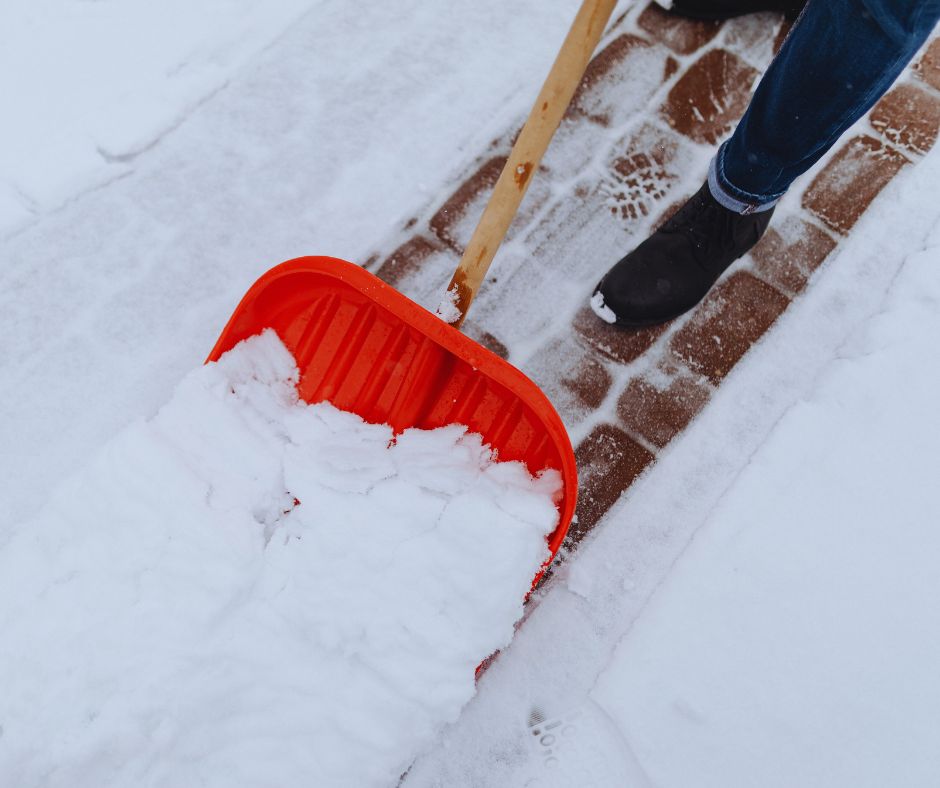
Did you know that it’s easy to hurt yourself while shoveling snow?
Have you ever thrown your back out trying to clear your driveway or sidewalk?
Winter can be beautiful — but clearing snow off your driveway or sidewalk isn’t always a joy. Shoveling snow can be one of the most physically demanding chores of the season, and if you’re not careful, it can lead to back strain, shoulder pain, or even more serious injuries. Luckily, with the right approach, you can protect your body while getting the job done.
1. Warm Up Like You Would Before a Workout
Shoveling snow is essentially a form of exercise — and just like you wouldn’t start lifting weights with cold muscles, you shouldn’t start shoveling without warming up. Spend a few minutes stretching your back, legs, arms, and shoulders to get your muscles ready for action.
2. Dress in Layers and Stay Hydrated
Cold muscles are more prone to injury and tightness. Dress in warm, moisture-wicking layers so you can adjust your comfort level as you work. Staying hydrated is important too — even in winter, your body loses fluids through exertion.
3. Choose the Right Shovel
Pick a shovel that matches your height and strength. A lightweight, ergonomic shovel can make the job much easier, especially if it allows you to push snow rather than lift it. Pushing snow reduces strain on your back and shoulders.
4. Use Good Technique
Avoid bending at the waist — that’s a fast track to lower back pain. Instead:
- Bend at your knees and hips, keeping your back straight.
- Lift with your legs, not your back.
- Keep the shovel close to your body as you lift.
- Don’t overload the shovel — take smaller scoops.
This helps protect your spine and reduces the risk of muscle strains.
5. Pace Yourself and Take Breaks
Shoveling isn’t a race. Take frequent breaks, especially if the snow is heavy or wet. Working slowly and steadily gives your muscles a chance to recover and helps reduce fatigue — one of the biggest drivers of poor form and injury.
6. Watch Out for Ice and Slips
Ice hidden under the snow is a common hazard. Wear boots with good traction and consider sprinkling sand or salt for grip. Slipping and falling can lead to sprains, fractures, or worse, so take extra care when temperatures hover around freezing.
7. Know Your Limits
Shoveling snow is strenuous, especially for people with heart conditions or limited physical fitness. In some cases, it’s safer to stagger the job (shoveling smaller amounts throughout the storm), hire help, or use a snow blower. Listen to your body — if something feels off, stop.
What If You Do Get Hurt?
Even with all the best precautions, winter chores can sometimes lead to aches, strains, or injuries — particularly in the back, shoulders, or neck. If you find yourself dealing with pain after shoveling snow, Dr. Gessert can help you recover safely and effectively.
Visit Your Local Ann Arbor Chiropractor; No Pressure, No Commitment
Dr. Gessert focuses on specific structural correction chiropractic care — meaning that adjustment don’t just mask symptoms, they help identify and correct the root causes of your pain with a customized treatment plan tailored to your needs. Whether it’s back pain, shoulder strain, or discomfort from overexertion on the job, our array of services can help you feel better and get back to your normal routine.
Contact your local Ann Arbor chiropractor here or call 734-221-0362 to set up your first appointment! Remember, you’re free to talk to Dr. Gessert without pressure or commitment. We look forward to helping you feel your best!